San Diego Housing Reset 2026: Falling Rents & Home Values
TL;DR: The Great Housing Reset Reshapes San Diego Real Estate
Major brokerages Redfin and Compass declare 2026 "The Great Housing Reset" as San Diego rents fall for 6 consecutive months (first time in 15 years), home prices decline 5 months straight, and inventory surges 66.6% year-over-year. This multi-year normalization creates strategic decisions for homeowners: sell now with cash offers providing 7-14 day closings and certainty, or face extended marketing timelines, carrying costs, and continued market deterioration risk. Call (619) 777-1314 for a no-obligation cash offer today.
Major real estate brokerages Redfin and Compass have declared 2026 "The Great Housing Reset" and the start of a "new era" for housing markets nationwide. For San Diego County, this forecast carries particular weight: local rents have declined for six consecutive months—a milestone not achieved in 15 years—while home sale prices fell for five straight months and inventory surged 66.6% year-over-year. This unprecedented combination of market shifts signals fundamental changes ahead for San Diego homeowners, investors, and sellers.
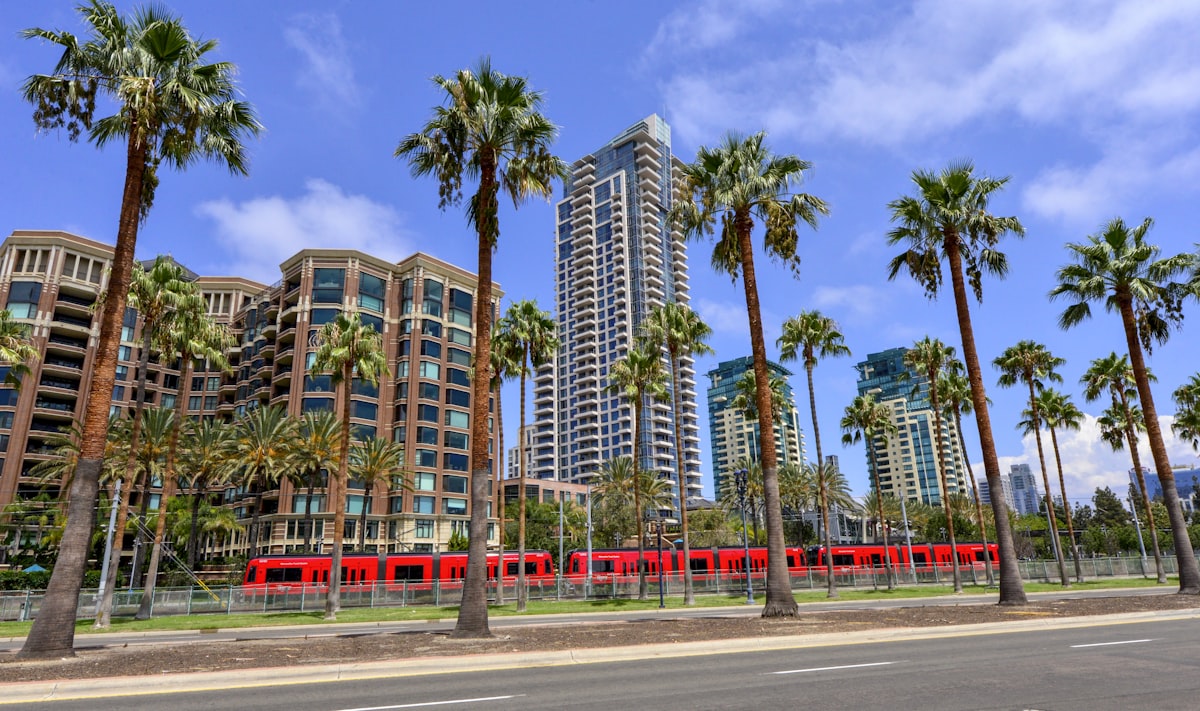
Whether you own rental property experiencing income declines, hold a home in neighborhoods facing increased competition from rising inventory, or simply want to understand how the Great Housing Reset affects your real estate decisions, this comprehensive analysis examines what industry leaders predict for 2026 and how San Diego sellers can navigate uncertainty with strategic cash sale options that provide certainty in unpredictable times.
Understanding the Great Housing Reset: Industry Predictions for 2026
The term "Great Housing Reset" originated from Redfin's 2026 market forecast, where Chief Economist Daryl Fairweather and Senior Economist Chen Zhao described the beginning of a multi-year market normalization period. Unlike a sudden crash or recession-driven collapse, the Great Housing Reset represents a gradual rebalancing where affordability slowly improves as wage growth outpaces home price appreciation for the first time since the aftermath of the 2008 financial crisis.
According to Redfin's predictions, the national median home-sale price will increase just 1% year-over-year in 2026, while existing home sales will rise 3% to reach an annualized rate of 4.2 million units. The 30-year fixed mortgage rate is forecast to average 6.3% throughout 2026, down from 6.6% in 2025, as Federal Reserve rate cuts respond to weakening labor market conditions. However, rates are expected to remain in the low-6% range rather than dropping dramatically below 6% on a sustained basis.
Compass echoed this sentiment by declaring 2026 the start of a "new era" for housing, recognizing that the pandemic-era dynamics of bidding wars, record-low inventory, and double-digit appreciation have permanently shifted. For San Diego specifically, this translates to baseline appreciation forecasts of just 2-4% for 2026—a dramatic slowdown from the 11.3% annual rent growth experienced in 2021 and years of rapid home price increases that pushed the median single-family home price to $1,050,000 by late 2025.
The Great Housing Reset fundamentally changes seller psychology. After years of expecting continuous appreciation and competitive offers above asking price, San Diego homeowners now face a market where increased inventory creates buyer leverage, longer days on market become the norm, and pricing strategy requires greater precision to attract mortgage-dependent buyers navigating affordability constraints.

San Diego's Six-Month Rent Decline: A 15-Year Milestone
San Diego County apartment rents have declined for six consecutive months through late 2025, marking the first annual rent decrease since the end of 2010. According to commercial real estate data firm CoStar, rents dropped 0.3% year-over-year to an average of $2,520 per month as of early December 2025. While this decline may appear modest in percentage terms, it represents a significant psychological and economic shift after more than a decade of continuous rent increases.
Joshua Ohl, CoStar's senior director, noted that "with the past three months alone, each [recorded] the same negative 0.4% rent growth," demonstrating consistent downward pressure rather than a temporary fluctuation. The vacancy rate tells an even more dramatic story: San Diego County's apartment vacancy rate reached 5.7% by late 2025, the highest level since 2009, compared to a historic low of 2.64% in 2021.
This vacancy surge resulted from a recent apartment construction boom across the San Diego region, with multiple large and small projects opening simultaneously. The flood of new supply overwhelmed demand, particularly impacting expensive submarkets. Downtown San Diego experienced the steepest annual decline at 1.4%, with average rents falling to $2,087 per month, while the South I-15 Corridor saw rents drop 1.2% to $2,986 per month.
For rental property owners in Pacific Beach, La Jolla, Mission Beach, Downtown San Diego, and other prime areas, these declining rents directly impact cash flow and investment returns. Owners who purchased at peak prices with tight capitalization rates now face negative leverage scenarios where mortgage payments exceed rental income. The six-month decline trend shows no signs of immediate reversal—CoStar's Ohl stated he "does not expect significant changes and believes the current trends will continue into next year," suggesting rental property owners may face extended income pressure throughout 2026.
Inventory Surge and Price Pressure: San Diego's Shifting Dynamics

While rents declined, San Diego's for-sale housing inventory increased dramatically, with a 66.6% year-over-year surge creating substantially more competition for sellers. This inventory expansion, though still below historically normal levels, fundamentally altered market dynamics from the extreme seller's market conditions that characterized 2020-2023.
According to multiple real estate data sources, San Diego County's Unsold Inventory Index reached 3.6 months by November 2025, up from 3.2 months in October and 3.3 months the previous November. Traditional real estate analysis considers a "balanced market" to exist at approximately 6 months of inventory, meaning San Diego remains supply-constrained overall. However, the rapid increase in available homes created meaningful shifts in negotiating power and pricing strategy.
Home sale prices in San Diego declined for five consecutive months through late 2025, with the average house price down 1.4-1.7% year-over-year depending on property type and location. Single-family homes proved more resilient, with median prices holding at $1,050,000 (up 3.0% year-over-year), while condos and townhomes experienced greater pressure from both increased inventory and competition from new apartment construction.
Neighborhood-level variations became pronounced during this shift. Pacific Beach median home prices fell 11% year-over-year to $1,250,000 by January 2026, despite homes continuing to sell relatively quickly at 35 days on market. This combination of price declines amid "severe shortage" conditions (only 45 Pacific Beach listings) demonstrates how even limited inventory increases create pricing pressure when buyer demand weakens due to affordability constraints.
For sellers in neighborhoods experiencing above-average inventory growth—including Serra Mesa, Clairemont, Bay Park, City Heights, and College Area—the 2026 market presents strategic timing challenges. Extended days on market mean higher carrying costs, increased price reduction frequency, and greater risk of deals falling through due to financing contingencies as buyers struggle to qualify at 6%+ mortgage rates.
Mortgage Rate Forecast: The 6% Reality and Its Implications
Mortgage rates represent the critical variable determining housing affordability and buyer demand throughout 2026. Multiple forecasting sources predict 30-year fixed mortgage rates will average between 6.0% and 6.3% during 2026, with potential dips into the high-5% range if inflation continues moderating. While these projected declines from 2025's 6.6% average provide some relief, rates are expected to remain roughly double the 3% levels many current homeowners locked in during 2020-2021.
Redfin's forecast specifically predicts mortgage rates will average 6.3% throughout 2026, occasionally dipping below 6% but not sustaining those lower levels long-term. The rationale centers on Federal Reserve policy responses to weakening labor market conditions—rate cuts designed to stimulate economic activity will create downward pressure on mortgage rates, but the Fed's cautious approach and persistent inflation concerns prevent rapid declines.
Mortgage Rate Impact on Affordability
Even small rate decreases unlock substantial purchasing power for San Diego buyers:
- $800,000 loan: A decline from 6.5% to 6.1% saves ~$185/month ($2,220 annually, $66,000 over 30 years)
- $1,050,000 median home: At 6.3% rates requires $198,100 annual income to qualify
- $1,250,000 Pacific Beach home: Requires $236,000 annual income at 6.3% with 20% down
- Only 18% of San Diego County households can afford the median-priced home
For sellers dependent on mortgage-financed buyers, elevated rates create challenges. At 6%+ rates, buyer qualification standards tighten, loan approval timelines extend, and financing contingencies create greater transaction risk. This environment makes cash offers particularly attractive—eliminating employment verification, appraisal gaps, and financing contingency risks that plague traditional sales.

San Diego Housing Market Indicators 2025-2026
| Metric | 2025 Data | 2026 Forecast | Change |
|---|---|---|---|
| Median Single-Family Home Price | $1,050,000 | $1,071,000 - $1,092,000 | +2% to +4% |
| Average Apartment Rent | $2,520/month | $2,470 - $2,520/month | Flat to -2% |
| Vacancy Rate | 5.7% | 5.5% - 6.0% | Stable to slight increase |
| 30-Year Mortgage Rate | 6.6% | 6.0% - 6.3% | -0.3% to -0.6% |
| Inventory (months) | 3.6 months | 4.0 - 4.5 months | +10% to +25% |
| Median Days on Market | 35-45 days | 40-60 days | +14% to +33% |
What the Great Housing Reset Means for Different Seller Types
The Great Housing Reset creates distinctly different scenarios depending on seller circumstances, property type, and motivation timeline. Understanding these variations helps San Diego homeowners make informed strategic decisions aligned with their specific situations.
Rental Property Owners
For investors holding San Diego rental properties, the combination of six consecutive months of rent declines, elevated vacancy rates (5.7%), and ongoing property expense inflation creates a challenging cash flow environment. Owners who purchased during the 2020-2022 appreciation surge with leveraged financing may face negative monthly cash flow if vacancy occurs or rent reductions become necessary to retain tenants. The CoStar forecast suggesting continued rent pressure throughout 2026 means these conditions may persist or worsen before improving. Cash sale options allow these owners to exit before further rent declines erode equity positions, particularly in submarkets like Downtown San Diego (-1.4% rent decline) and South I-15 Corridor (-1.2% decline) experiencing the steepest income reductions.
Primary Residence Owners Considering Relocation
Homeowners planning moves due to job changes, family circumstances, or lifestyle preferences face extended marketing timelines in the Great Housing Reset environment. With inventory up 66.6% year-over-year and average days on market increasing across most neighborhoods, traditional listings that might have sold in 10-15 days during 2021-2022 now require 30-60+ days to find buyers. Each additional week on market means continued mortgage payments, property taxes, insurance, maintenance, and utilities—costs that accumulate quickly on expensive San Diego homes. For sellers with time-sensitive relocation needs, cash offers providing 7-14 day closings eliminate carrying cost risk and timing uncertainty.
Inherited Property Owners
Heirs managing inherited San Diego properties often face complex decisions around renovation investments, property tax reassessment impacts, and estate settlement timelines. The Great Housing Reset complicates these decisions because renovation investments may not generate expected returns in a softening market, while extended listing periods delay estate closings and create ongoing expense obligations. Cash buyers who purchase properties in as-is condition eliminate renovation cost uncertainty and provide fast closings that expedite estate settlement.
Distressed Property Owners
Homeowners facing financial hardship, deferred maintenance backlogs, or properties requiring major repairs benefit substantially from cash sale options during market uncertainty. Traditional buyers financed through FHA, VA, or conventional mortgages face strict property condition requirements that disqualify homes with significant deferred maintenance, foundation issues, roof problems, or code violations. The increased inventory environment means buyers have more choices, making them less willing to accept properties requiring extensive work. Cash buyers who specialize in distressed property acquisition provide exit strategies that avoid costly pre-listing repairs and eliminate appraisal contingency risks.
Luxury Property Owners
San Diego's luxury market (homes above $2 million) faces particular sensitivity to Great Housing Reset dynamics because this segment depends entirely on buyers with substantial financial resources, often including stock market wealth that fluctuates with economic conditions. Extended marketing periods are common in luxury segments even during strong markets, and the 2026 environment of elevated inventory and buyer caution will likely extend these timelines further. Luxury sellers requiring liquidity for business opportunities, estate planning, or portfolio rebalancing may find cash offers attractive even at modest discounts compared to facing 6-12+ month listing periods with uncertain outcomes.
Cash Home Sales During Market Uncertainty: Strategic Advantages
The Great Housing Reset creates specific conditions where cash home sales provide strategic advantages over traditional listings. Understanding these advantages helps San Diego homeowners evaluate whether cash offers align with their circumstances and objectives.
Cash Buyer Advantages During the Great Housing Reset
- Transaction Certainty: Eliminates 5-8% financing contingency failure risk
- Timeline Control: 7-14 day closings vs 30-60+ days traditional sales
- As-Is Purchase Terms: No repairs, renovations, or inspection concessions required
- Pricing Clarity: Immediate offers without extended market testing periods
- Avoided Holding Costs: Save $3,000-5,000+ monthly in carrying costs
- Market Timing Risk Mitigation: Lock in current pricing, avoid further deterioration
Transaction Certainty
Cash transactions eliminate financing contingencies that represent the most common cause of deal failures in traditional real estate sales. According to National Association of Realtors data, approximately 5-8% of pending home sales fall through due to financing issues, a percentage that increases during periods of tightening credit standards and elevated mortgage rates. For San Diego sellers who have already committed to new housing, relocated for employment, or face time-sensitive financial obligations, financing contingency risk creates substantial stress and potential financial consequences if backup planning becomes necessary.
Timeline Control
Traditional San Diego home sales typically require 30-60 days from acceptance to closing, with longer timelines common when appraisal delays, inspection negotiations, or buyer financing complications arise. Cash transactions compress this timeline to 7-14 days in most cases, with some buyers offering even faster closings for sellers requiring immediate liquidity. For rental property owners facing continued rent declines and negative cash flow, each month of ownership costs thousands of dollars in lost income and expenses. Accelerated closings preserve equity by eliminating extended carry cost exposure.
Avoided Holding Costs
San Diego's high property values translate to substantial monthly carrying costs. For a $1,000,000 home, monthly costs including mortgage interest, property taxes (approximately $1,250/month at 1.5% annual rate), insurance ($200-400/month), utilities ($150-300/month), and basic maintenance ($100-200/month) easily total $3,000-5,000 monthly. Every month a property remains unsold during extended listing periods consumes this amount from eventual net proceeds. Cash sales providing 7-14 day closings preserve $3,000-10,000+ in carrying costs compared to traditional sales requiring 45-90+ days from listing to closing.
San Diego Neighborhood Analysis: Where the Reset Hits Hardest
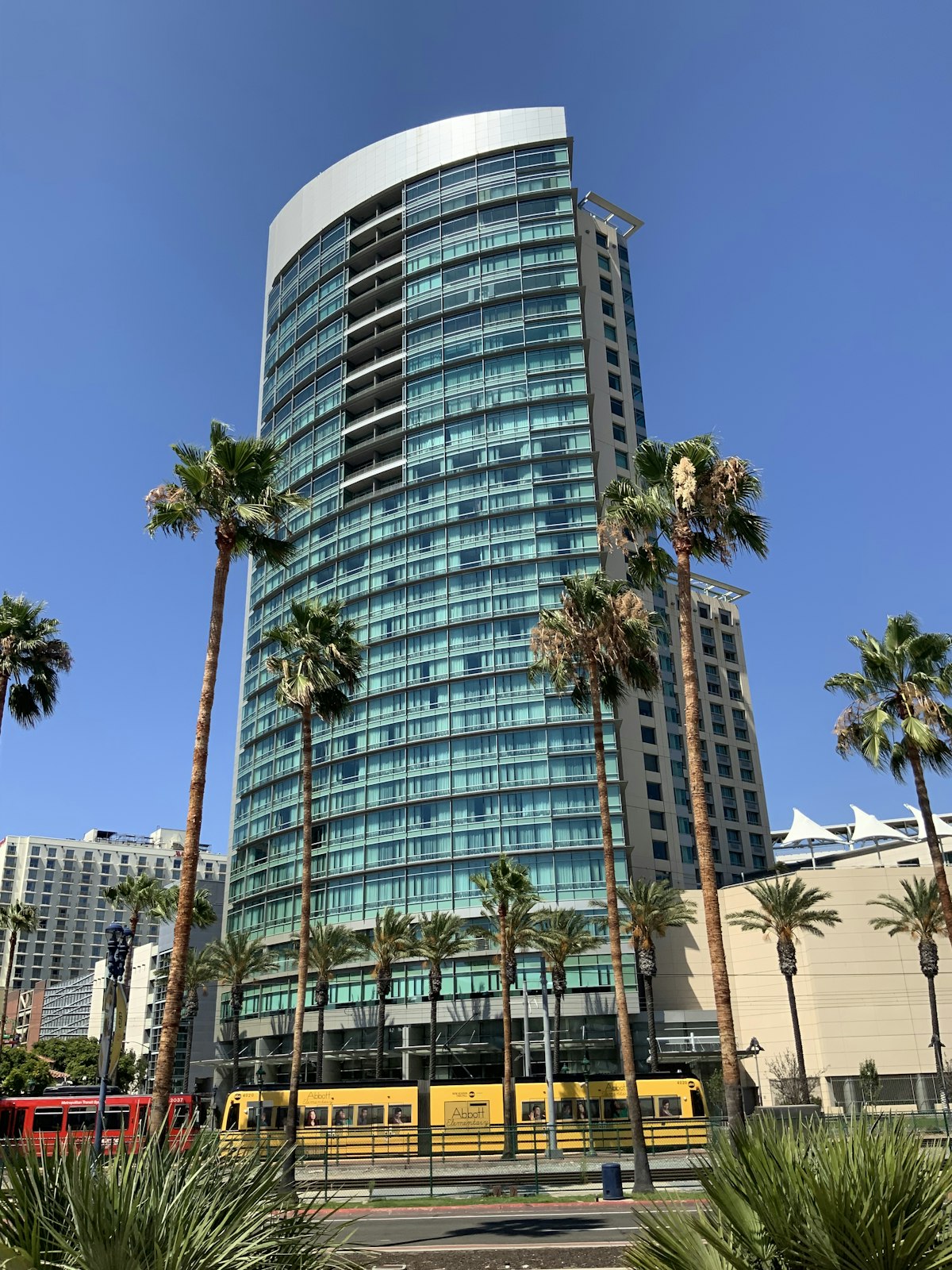
The Great Housing Reset affects San Diego neighborhoods unevenly based on factors including proximity to new apartment construction, demographic composition, price point relative to affordability thresholds, and inventory increases.
Downtown San Diego and Urban Core
Downtown experienced the steepest rent decline (-1.4%) as massive apartment construction projects flooded the market with new supply. The East Village, Little Italy, and Banker's Hill neighborhoods absorbed hundreds of new units in 2024-2025, driving vacancy rates to their highest levels since 2009. For condo owners in these areas competing directly with new construction offering modern amenities, granite counters, and landlord concessions, selling pressures intensified. Cash buyers focused on downtown properties provide exits for owners who purchased during peak pricing and now face equity concerns as comparable units rent for less and sale prices soften.
Pacific Beach and Coastal Communities
Despite Pacific Beach's 11% median price decline to $1,250,000, the market remains characterized by severe inventory shortage with only 45 listings. This unique combination suggests price declines resulted from affordability constraints rather than oversupply—buyers who might previously have stretched to afford beach access now face qualification barriers at 6%+ mortgage rates. Mission Beach, Ocean Beach, and La Jolla face similar dynamics where modest inventory increases create disproportionate pricing pressure because buyer pools shrink dramatically at higher price points.
Mid-City Neighborhoods
North Park, South Park, Hillcrest, University Heights, and Normal Heights experienced substantial price appreciation during 2020-2023 as remote workers and buyers priced out of coastal areas drove demand. These neighborhoods now face headwinds from increased inventory, weakening rental demand as downtown apartments offer comparable rent levels, and buyer exhaustion at elevated price points. Homeowners who purchased during peak appreciation may find current market values provide limited equity cushion after transaction costs. Fast cash sales preserve equity and avoid risk of further price softening.
Central San Diego Communities
Clairemont, Bay Park, Linda Vista, Serra Mesa, and Kearny Mesa historically offered relative affordability compared to coastal and urban core neighborhoods. However, even these mid-tier markets experience Great Housing Reset impacts as first-time buyer affordability deteriorates at 6%+ mortgage rates. With median home prices in these areas ranging from $600,000-900,000, required buyer incomes of $110,000-165,000 eliminate substantial portions of potential purchaser pools. Sellers in these neighborhoods face particular competition from rising inventory and extended marketing timelines as qualified buyers become scarce.
San Diego Neighborhood Rent Performance by Submarket
| Neighborhood/Submarket | Average Rent | Annual Change | Market Condition |
|---|---|---|---|
| Downtown San Diego | $2,087/month | -1.4% | Declining (oversupply) |
| South I-15 Corridor | $2,986/month | -1.2% | Declining (new supply) |
| San Diego County Average | $2,520/month | -0.3% | Softening overall |
| National City | Not specified | +0.6% | Stable demand |
| Escondido | Not specified | +1.5% | Growing demand |
Frequently Asked Questions
What is the "Great Housing Reset" and how does it affect San Diego homeowners?
The "Great Housing Reset" is a term coined by Redfin to describe a multi-year period of gradual housing market normalization where affordability slowly improves as wage growth outpaces home price appreciation for the first time since the financial crisis. For San Diego homeowners, this means transitioning from the rapid appreciation and competitive seller's market of 2020-2023 to a more balanced environment with slower price growth (2-4% forecast for 2026), increased inventory (+66.6% year-over-year), and longer marketing timelines. The reset creates strategic decisions around timing sales, evaluating cash offers versus traditional listings, and understanding that the extreme seller advantages of recent years have permanently shifted to a more balanced market dynamic.
Why are San Diego rents falling after years of continuous increases?
San Diego County rents declined for six consecutive months through late 2025, marking the first annual rent decrease since 2010, primarily due to a massive apartment construction boom that flooded the market with new supply. The vacancy rate surged to 5.7%—the highest since 2009—up from a historic low of 2.64% in 2021. When hundreds of new apartment units opened simultaneously across submarkets like Downtown San Diego, South I-15 Corridor, and other areas, supply overwhelmed demand. This oversupply forced landlords to reduce rents or offer concessions to attract tenants, particularly impacting expensive submarkets where Downtown rents fell 1.4% annually to $2,087/month.
Should I sell my San Diego rental property now or wait for the market to stabilize?
This decision depends on your specific financial situation, but several factors favor selling sooner rather than waiting. First, San Diego rents have declined six consecutive months with forecasts suggesting continued pressure through 2026, meaning negative cash flow risk increases with time. Second, rental property owners competing with new construction face particular challenges as modern apartments with updated amenities attract tenants away from older properties. For owners with positive equity seeking exits, acting during the early stages of market reset typically yields better outcomes than waiting for potential "bottom" that may take years to materialize and reverse. Contact us for a no-obligation cash offer.
How long will the Great Housing Reset last in San Diego?
According to Redfin economists who coined the term "Great Housing Reset," this market normalization represents "the beginning of a long, slow recovery" that will take approximately five years for full normalization. The reset is not a brief correction but rather a fundamental rebalancing where affordability gradually improves as wage growth outpaces home appreciation over an extended period. For San Diego specifically, this multi-year timeline means homeowners should not expect a rapid return to 2021-2022 market conditions of bidding wars, offers above asking price, and rapid appreciation.
What does 66.6% inventory increase mean for San Diego home sellers?
The 66.6% year-over-year inventory increase fundamentally shifts market dynamics from extreme seller's market conditions to a more balanced environment. For individual sellers, this increase means substantially more competition for buyer attention, longer average days on market, reduced likelihood of multiple offers, and greater buyer leverage in negotiations. Where properties might have sold in 10-15 days during 2021-2022 with multiple above-asking offers, similar homes now require 35-60+ days and frequently involve price reductions and buyer-requested concessions. This environment makes cash offers particularly attractive because they eliminate extended marketing exposure while providing certain closing timelines of 7-14 days.
How can cash buyers help during market uncertainty and the Great Housing Reset?
Cash buyers provide specific advantages during the Great Housing Reset that address the core uncertainties sellers face. First, cash offers eliminate financing contingencies that cause 5-8% of traditional sales to fail. Second, cash transactions compress closing timelines to 7-14 days versus 30-60+ days for traditional sales, preserving equity by eliminating extended carrying costs that run $3,000-5,000 monthly on typical San Diego homes. Third, cash buyers typically purchase properties as-is, avoiding seller obligations for repairs or renovations. For San Diego rental property owners facing declining rents, homeowners requiring relocations on firm timelines, or distressed property owners avoiding costly pre-listing repairs, cash buyers offer strategic exits that align with Great Housing Reset conditions.
Conclusion: Navigating the Great Housing Reset
San Diego's Great Housing Reset represents a fundamental market transformation from the extraordinary seller's market conditions of 2020-2023 to a multi-year normalization period where affordability gradually improves but seller advantages permanently diminish. With six consecutive months of rent declines marking a 15-year milestone, five months of falling home prices, 66.6% year-over-year inventory surge, and mortgage rates forecast to remain in the 6% range through 2026, San Diego homeowners face strategic decisions that balance maximum proceeds against timeline certainty, transaction risk, and carrying cost exposure.
For rental property owners experiencing declining income, homeowners requiring relocation on firm timelines, inherited property situations, distressed properties needing as-is sales, and sellers prioritizing certainty over optimizing every dollar of proceeds, cash home buyers offer strategic advantages that align with Great Housing Reset dynamics. The reset is not a brief market pause but rather the beginning of a "new era" involving elevated inventory, longer marketing periods, buyer leverage in negotiations, and affordability constraints that fundamentally limit demand despite modest mortgage rate improvements.
San Diego Fast Cash Home Buyer provides 7-14 day closings, as-is purchase terms, no financing contingencies, and certain transactions for homeowners seeking strategic exits during market uncertainty. Whether you face declining rental income, need fast relocation certainty, manage inherited property complexities, or simply want to avoid extended market exposure risk during the multi-year Great Housing Reset period, understanding how cash offers preserve equity and eliminate timeline uncertainty helps you make informed decisions aligned with your specific circumstances and objectives in San Diego's evolving real estate market.
Get Your No-Obligation Cash Offer Today
San Diego Fast Cash Home Buyer specializes in helping homeowners navigate the Great Housing Reset with fast, guaranteed home sales. No financing contingencies. No extended marketing timelines. No repair obligations. Just a straightforward cash offer and a closing timeline that works for your situation.
Why Homeowners Choose Us During the Great Housing Reset:
- Close in 7-14 days regardless of market conditions
- No financing contingencies or appraisal requirements
- Fair cash offers with transparent pricing
- No fees, no commissions, no hidden costs
- Purchase properties as-is—no repairs needed
- Serving all San Diego County neighborhoods
Call (619) 777-1314 Today
or visit www.sd-cash-buyer.com to request your free cash offer.
Get Your Free Cash Offer